Showing posts with label UNICEF. Show all posts

Friday, October 28, 2011

UNICEF: More Resources are Needed in the Horn of Africa


The massive humanitarian response to the food crisis in the Horn of Africa has eased the suffering of many, but more resources are needed to save the lives of hundreds of thousands of people in central and southern Somalia. Elhadi As Sy, the UNICEF Regional Director for Eastern and Southern Africa, called for the scaling up of integrated intervention in health, nutrition, food security, water and sanitation, education and child protection.

In its monthly report, UNICEF detailed the scale and impact of the famine.
  • 13.3 million people are in need of assistance across the Horn of Africa, half of them children. 
  • Famine has been declared in six areas of Somalia
  • The lives of 750,000 people are at risk if relief efforts are not increased by December. 
  • Thousands of children have already died, and more than 320,000 - half of them in central and southern Somalia - are suffering from life threatening malnutrition. 
  • More than 450,000 Somalis have fled to refugee camps in north-eastern Kenya. Another 183,000 Somalis have entered Ethiopia, and around 20,000 Somalis have fled to Djibouti.  
The report gave thanks to the international community, for allowing UNICEF and partners across the Horn of Africa to achieve important results on which to build. In the past three months over 10,000 tons of supplies have been delivered to the Horn of Africa. Over 108,000 malnourished children have been treated through therapeutic feeding centers, and some 2.2 million people have received safe drinking water.  

While the humanitarian response to the food crisis in the Horn of Africa has helped thousands, more resources are needed to maintain the relief effort. Thus, although much has been done, it is important to remember that the crisis is far from over.  

- Madeline R. Lee 

SOURCE: UN NEWS 

Wednesday, June 22, 2011

Good Sanitation Can Save Thousands Of Lives


Most of the time people ignore the matter of proper sanitation as it is an unglamorous issue. I mean who wants to talk about sanitation if issues like hunger and health are around? But good hygiene can save thousands of lives by reducing the amount of deaths from diarrhea. Children under five around the world are the most vulnerable to poor hygiene and inadequate sanitation, two of the major causes of diarrhoea. According to the UN Children’s Fund (UNICEF), the disease kills at least 1.2 million children under five each year, but with proper sanitation cases of diarrhoea in children under five can be reduced by a third.

In order to ensure the well-being of millions of people around the world, the United Nations launched the program “Sustainable sanitation: The Five-Year-Drive to 2015” yesterday as part of its goal of halving the proportion of the population without access to basic sanitation by 2015. The main message of the new drive is that sanitation is vital for health, brings dignity, equality and safety, represents a good economic investment and sustains clean environments.

Access to sanitation has been recognized by the UN as a human right, a basic service required to live a normal life. It can be noted that, some 2.6 billion people – or half the population in the developing world – still lack access to good sanitation. The drive will call for an end to open defecation, the most dangerous sanitation practice for public health which is being practiced by over 1.1 billion people worldwide.

-Nisha Noor

Saturday, April 30, 2011

DPR Korea In Need Of Food


Three and a half million people in the Democratic People's Republic of Korea are estimated to be in desperate need of food. Their particularly intense winter caused severe crop losses. The vegetable harvest was down 44% percent last year. A one year United Nations World Food Programme (WFP) and UN Children's Fund (UNICEF) operation is being launched to feed this estimated 3.5 million people and they say that women and children will be the focus, following an assessment by several aid agencies.

Since, government supplied rations only amount to about half a persons needed daily food intake, UNICEF has launched $20 million to appeal to fund assistance programs in the five DPRK provinces. Families have already started cutting out the size or number of meals each day. Therefore, under the WFP operation, cereals and the ingredients for local production of foods such as corn-soy milk, rice milk, and high nutrient biscuits will be distributed through the public distribution system. The operation should continue through the harvest expected in October, with nutrition products being distributed until then. The UNICEF assistance program will be dealing with behavioral and structural issues such as hygiene, infant feeding practices and water sanitation, all of which are extremely important for the livelihood of the population.

The overall rates of acute malnutrition have not yet reached crisis level, but it is clear that the situation is deteriorating. "We face a critical window to get supplies into the country and reach the millions who are already hungry," stated Amir Abdullah, WFPs Deputy Executive Director and Chief.

--Gabrielle Gurian

SOURCE: UN NEWS CENTER

Sunday, February 06, 2011

Tanzania Promises To Tackle Infant And Maternal Mortality


The Tanzanian Minister for Health and Social Welfare, Dr. Haji Mponda has vowed to reduce infant and maternal mortality in order to achieve Millennium Development Goals by 2015. The minister promised to reduce infant and maternal deaths by improving the health sector. It can be noted that Tanzania is still lagging behind other East African nations in terms of achieving the MDGs. According to UNICEF, the under-one infant mortality rate declined to 67 per 1000 live births in 2008 from 97 per 1000 live births in 1990. But the rate is still high compared to other nations.

-Nisha Noor

Friday, January 28, 2011

Donation By Bill Gates And Abu Dhabi Prince To Vaccinate Children


Borgen Project: In order to vaccinate children in Afghanistan and Pakistan against Polio and other diseases, Bill Gates from the Bill and Melinda Gates Foundation and Abu Dhabi's crown prince, Sheik Mohammed Bin Zayed Al Nahyan will each donate $50 million. Both the donors said that two-thirds of their donations will fund a pair of vaccines against Pneumonia, Diphtheria, Whooping Cough and other ailments afflicting young children in Afghanistan. The rest of the fund will be given to World Health Organization (WHO) and UNICEF to provide Polio vaccines among Afghan and Pakistani children.

Gates recently told the Associated Press that eradicating Polio is his top priority, and that he is planning to announce a major donation to the effort in Davos, Switzerland on Friday.

-Nisha Noor

Wednesday, January 05, 2011

Congo Law to Protect Indigenous Children


The United Nations Children’s Fund (UNICEF) hailed a new law on December 31st granting children in the Republic of Congo of indigenous origin a legal basis to access health, education and protection. This new law is a major step forward for the Congolese people’s future. According to UNICEF, the Congo is one of the poorest countries in the world and its indigenous populations are on the “bottom rung of the society, the poorest of the poor.” Fifty percent of indigenous children have no birth certificate in the Congo, and 1 out of 5 children dies before reaching the age of five.

-Clare O.

SOURCE: UN News

Wednesday, December 15, 2010

UNICEF Gives Hope to Uzbek Children


UNICEF has been supporting day care centers in Uzbekistan for children affected by HIV/AIDs and creating a positive effect in Uzbek communities. Since June 2010, over 550 children who have experienced stigma and discrimination because of their HIV status have found solace in these kinds of centers.

Today, four UNICEF-supported day care centers for children and their families function in the country’s capital, Tashkent and in the provinces of Andijan, Namangan and Fergana. In these centers, children and adults whose lives are impacted by HIV are given access to psycho-social support, medical and legal counseling and most importantly to an environment free of stigma and discrimination. These centers also help surrounding communities by providing HIV/AIDS awareness programs, care and treatment for HIV positive children including orphans, and support groups for families.

By removing the stigma associated with HIV/AIDs, these centers also give families affected by the disease a sense of hope. One mother’s experience is indicative of the positive effect centers have had on people’s lives in Uzbekistan: "When we came to the Center, it was the first time I saw moms like me and children like my son. They were playing, talking and having a good time. I received counseling and openly talked about my problems with other parents. This was a great relief for me. I stopped feeling lonely. This experience completely changed my life and today I am a full time employee of the Center."

-Clare Ortblad

SOURCE: UNICEF

Monday, October 18, 2010

Back to School Campaign in Yemen Targets 500,000 Children


A recently implemented "Back to School" campaign in Yemen is working to make education a priority, sending 500,000 Yemeni children to school. The campaign is the result of collaboration between Yemen's Ministry of Education and various international development agencies, including UNICEF, Save the Children, and CHF International.

Currently in Yemen, over one quarter of school-aged children do not attend classes regularly. This is due to a number of factors, including armed conflicts between the Yemeni government and opposition groups. This has resulted in a number of internally displaced families within Yemen.

This campaign is an important step for Yemen toward Millennium Development Goal 2, universal education for the world's children. “Education is one of the most critical contributions to peacebuilding,” said Geert Cappelaere, UNICEF Representative in Yemen. “Many children in Yemen have been deprived of education for too long because of the conflict, and we welcome the commitment from all sides to actively contribute to the success of this campaign.”

-Elizabeth Newton

SOURCE: UN News Centre, UNICEF Press Centre

Friday, September 24, 2010

Child Mortality Drops


This week, UNICEF released new estimates of under-five mortality and the news is good! From 1990 to 2004, the total number of child deaths decreased from 12.4 million to 8.1 million. This is a reduction of a third. However, the 8.1 million figure is still shocking and unacceptable. Concern is focused on the disparity between countries and classes within these countries.The highest rates of child mortality are coming from sub-Saharan Africa, where rates are at 1 in 8.

When taken apart year by year, the figures show that the rate of decline has picked up in the pack eight years, which bodes well for the achievement of MDG4. The UN MDG is to decrease child mortality by two thirds between 1990 and 2015. These figures show some progress and may spurn nations into action to meet this goal in the next five years. Many experts believe this goal can easily be achieved if states will take action.

-Erica Stetz

SOURCE: UNICEF

Saturday, August 21, 2010

Cell Phones Save Lives in Rwanda

The Rwandan government has created a program to give out hundreds of cell phones in an effort to help pregnant women and their babies. Almost 500 volunteer healthcare workers in Musanze, Rwanda have been given free phones in order to monitor expectant mothers. The workers send text messages with monthly checkup information to a central health clinic to which doctor's can respond back if there are any complications. In an emergency texts can be sent to the clinics. A response will be sent back quickly and an ambulance will arrive within minutes.
Before the cell phone system it could take up to an hour to get help. Rwanda is ranked among the world's worst for maternal mortality. Rwandan women mostly have their babies at home with untrained midwives, where many die from bleeding or infection. These issues are easily preventable with the right care. "We tend to lose people who are actually supposed to be developing this nation," said Dr. John Kalach, the director of the closest hospital in Ruhengeri. "We don't want to be in a nation where we lose pregnant ladies while they are giving life to others."
The program has been a big success. Since the program launched last year there have been no maternal deaths reported in the Musanze district, compared to reported deaths in 2008. According to UNICEF the next step will be to give out over 17,000 phones to health workers in charge of monitoring maternal health. Eventually they plan to distribute 50,000 phones to every volunteer health worker in the country. The program may even expand to other sectors like agriculture and education.

- Clara Hill

Tuesday, August 17, 2010

Madagascar Building More Schools Due to New Brick Technology


Due to efforts by the Madagascar government to improve children's lives and education opportunities, primary school enrollment rates have reached nearly 90%. While a success story, Madagascar is still struggling to build 2,000 new classrooms a year to keep up with demand. Luckily UNICEF and Madagascar's ministry of education have found a way to save both money and time.
Traditional bricks are baked in kilns, but new technology means that bricks can now be made with very little concrete and can be pressed on site and air dried. The new process will save $1,000 per school and eliminates the burning of wood - a shrinking commodity in an already impacted area. It previously took three months or more to build a school, but with the new machinery two workers can create 400 bricks in a day - cutting the process down to two months.
Along with the schools, UNICEF has also managed to build 19 children's centers in the country's capital, where children can get a free meal and be taken care of while their parents work. This is an alternative for families who can't afford school fees. Some funding comes from UNICEF directly, but local communities have collected money to give small stipends to volunteers and have donated food for nutritious lunches. The centers give children, that would otherwise have to work or beg, a safer option.

- Clara Hill

Wednesday, August 04, 2010

Polio Eradicated in the Horn of Africa

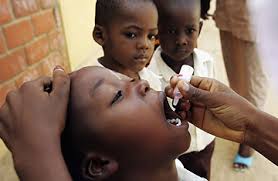
After a polio outbreak in 2008 that paralyzed 101 children in Sudan, Ethiopia, Kenya and Uganda, the Horn of Africa is once again free of the disease, according to UNICEF. All four countries reported no new polio cases in the last year. UNICEF noted that the successful handling of the polio outbreak is attributed to a series of multi-country immunization campaigns and technical support and political engagement by the affected countries. UNICEF went on to say, "the end of this outbreak is further evidence that the full and swift implementation of international outbreak response guidelines work."

Last month the World Health Assembly adopted a new Global Polio Eradication Initiative Strategic Plan to limit further international spread of polio. The plan includes the Short Interval Additional Dose strategy, in which children are immunized at short intervals to more rapidly raise population immunity levels. The Strategic Plan aims to build on successes in endemic countries, such as Nigeria, where the number of polio cases has dropped by more than 99 percent in the last year - from 312 cases to just three. It will also target Afghanistan, India and Pakistan, where the disease still remains endemic.

- Clara Hill

Tuesday, July 27, 2010

Major Victories in Haiti


The UN has stated that "there are few places in the world today where children are as vulnerable as they are in Haiti." However, there have been some major victories. UNICEF has immunized more than 275,000 Haitian children since the country was struck by a devastating earthquake just over six months ago. They hope to reach 500,000 more children during a second round of emergency immunizations. Safe water has been provided to 1.2 million people by UNICEF and partner organizations, nutrition programs have provided food to 550,000 people and 2,000 children with severe acute malnutrition are now receiving therapeutic feeding and care. "Some of the milestones at six months are truly remarkable. So far no increase in malnutrition has been recorded and we have also not seen any major disease outbreaks despite huge challenges in health and sanitation," UNICEF wrote in a report earlier this month. 225 UNICEF-supported Child-Friendly Spaces, designed to offer children a safe space to participate in recreational activities, have also been created and have served 63,000 children.

Friday, July 02, 2010

Child Rights Framework Created in Republic of Congo


During Day of the African Child celebrations on June 16th, the Republic of the Congo President, Denis Sassou Nguesso, announced that the Congo will be adopting a new child protection framework. This makes the Congo the fifth French-speaking African nation to pass such measures. The framework is comprised of a collection of texts covering all aspects of child protection, including issues concerning children in conflict with the law. The United Nations Children Fund (UNICEF) has welcomed and supported these new measures. "It is a major breakthrough that opens new perspectives in the protection and realization of children's rights in Congo," says Marianne Flach, a UNICEF Representative in the Congo.

The Congo was also a signatory in 1989 at the UN's Convention on the Rights of a Child and the Optional Protocols to the Convention. The convention deemed that all children have the right to survival, to develop to the fullest, to protection from harmful influences, abuse and exploitation, and to participate fully in family, cultural and social life. The new measures will help to ensure these agreed upon rights and will better monitor violations of children's rights abuses.

- Clara Hill

SOURCE: "New UN-backed plan aims to enhance child rights in Republic of Congo" - UN News, UNICEF

Wednesday, June 30, 2010

UN Partners with Kiwanis to Eliminate Tetanus Globally


On June 25th, the United Nations Children Fund (UNICEF) and Kiwanis, an international organization of volunteers, announced a new partnership to eliminate maternal and neonatal tetanus (MNT). The plan is to raise $110 million over the next 5 years and vaccinate around 129 million people who live in the countries where the disease is most prevalent. UNICEF will work with Kiwanis's 600,000 volunteers around the world to raise awareness and help deliver the treatment.

Previous campaigns to eliminate neonatal tetanus have for the most part been very successful. UNICEF's programs have already eliminated the disease in 18 countries, providing the vaccine to some 90 million women. The most recent triumph came in Myanmar, which announced on June 4th that it was free from maternal and neonatal tetanus.

MNT kills over 60,000 newborns each year, despite the fact that it is an extremely preventable disease. Most of the death's from neonatal tetanus arise from poor hygiene during the birthing process and a lack of access to essential life saving health care. A vaccine costs $1.80 per treatment and if given to a mother early enough, it can insure that she will be safe from tetanus for the rest of her child bearing years.

-Matthew Thwaites

SOURCES: "UN Campaign Aims to Eliminate Neonatal Tetanus Globally-Voice of America, "UNICEF joins forces with global volunteer corps Kiwanis to eliminate tetanus"-UN News

Wednesday, May 26, 2010

New Efforts to Combat Measles in Zimbabwe


A new U.N.-backed effort in Zimbabwe will target 5 million children between the ages of 6 and 14 to receive measles immunizations. This move comes in response to a measles outbreak that has already affected 55 of the country's 62 districts. Peter Salama, Zimbabwe's representative U.N. Children's Fund (UNICEF) hopes that "we can use the outbreak to improve Zimbabwe's health sector." In addition to the mass immunizations, the new effort will also provide children with Vitamin-A supplements.

-Andrew Oestreich

Wednesday, May 19, 2010

Football is More Than a Game


As HIV/AIDS spreads rapidly throughout the world, death is increasing and youth are left to fend for themselves. Children are forced to become adults at younger ages and information and training for life-skills is becoming lost as the parent-generation is dying.

UNICEF and FIFA have begun collaborating to find a way to educate youth through a common passion - football. This game is one of the only things that allows 90 minutes of diversion away from daily distress and gives back to their childhood.

Because football is so popular, UNICEF is using it to increase HIV/AIDS education through coaches and community mentors. While this is a fairly new approach, it continues to catch on throughout the world.

-Leah Kelly

SOURCE: UNICEF

Sunday, February 28, 2010

Zimbabwe Injecting Serious $$ into Educating Their Kids


With the help of UNICEF, the government of Zimbabwe will be injecting US$70 million into the education system within the country in an effort to "reverse the rapid decline of a sector once regarded as the finest in sub-Saharan Africa."

This money will be used to purchase text books, school supplies, and uniforms - all of which were often placed upon poor families to supply, which in turn has been blamed for the decline in school enrollment over the years.

This very interesting article goes on to outline the collaboration that will take place between UNICEF, the Zimbabwean government as well as numerous other international agencies that will all be working together in a concerted effort to bring education back to the children and families of Zimbabwe.

- Tiffanie Depew

SOURCE: Africa Good News

UNICEF / WHO vs. Measles in Bangladesh


Over the next two weeks UNICEF will be running a campaign in the country of Bangladesh to vaccinate 20 million children against the deadly disease of measles.

According to UNICEF "all Bangladeshi children aged between nine months and five years will be given the measles vaccine."

Both UNICEF and the WHO adopted a joint global plan in 2001 for reducing the number of deaths from measles - such goals and ambitions are in line with Millennium Development Goal # 6: to combat HIV/AIDS and Malaria around the world.

- Tiffanie Depew

SOURCE: UN News Centre